Are Weight Loss Injections Safe? What You Need to Know Before Considering Them
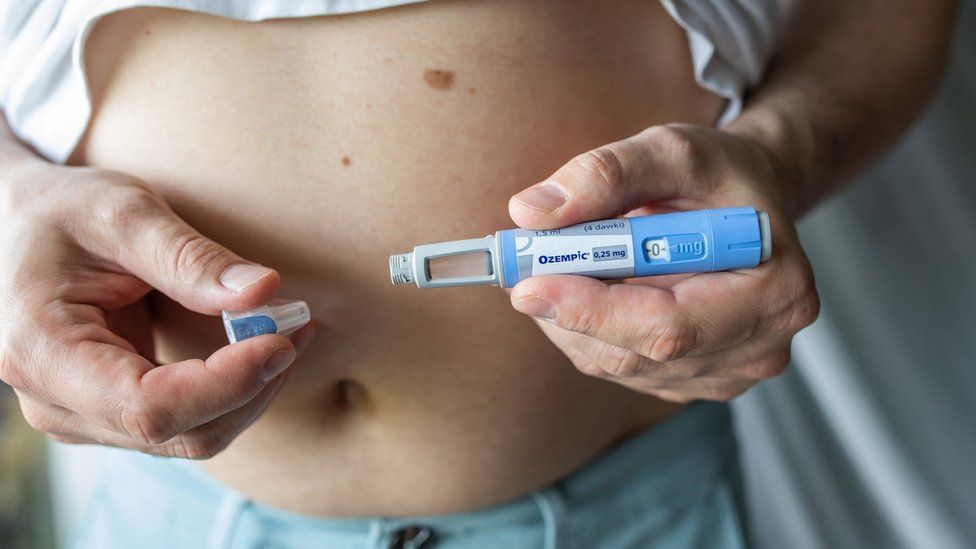
With interest in weight-loss injections skyrocketing, many people are asking a big question: Are these treatments safe, or just the latest fad? The short answer is they can be effective for many, but they also carry real risks and work best as part of a comprehensive plan — not as a magic bullet.
Here’s a clear, balanced look at what weight-loss injections are, how they work, the safety concerns experts raise, and why lifestyle changes remain a foundational strategy for lasting results.
What Are Weight-Loss Injections?
Most modern weight-loss injections are GLP-1 receptor agonists, originally developed for type 2 diabetes but later found to help with appetite control and weight loss. When prescribed by a doctor, FDA-approved medications like semaglutide (Wegovy, Ozempic) and tirzepatide (Mounjaro, Zepbound) can lead to significant weight reduction by slowing gastric emptying and helping people feel fuller with less food. Clinical trials show many patients lose a meaningful percentage of body weight when injections are combined with diet and exercise. Verywell Health
The Benefits: Why People Use Them
- Appetite control: These drugs effectively reduce hunger and caloric intake. Verywell Health
- Weight loss results: Many users see greater weight loss than with traditional dieting alone. Verywell Health
- Additional health effects: Approved GLP-1 drugs can also improve blood sugar control, and in some populations, reduce cardiovascular risk. Wellness Firm
For people with obesity or weight-related health issues, this can be a powerful tool — especially when lifestyle changes have struggled to deliver results.
Safety Concerns: Side Effects and Risks
Weight-loss injections are not without side effects, and understanding them is critical:
Common Physical Side Effects
- Gastrointestinal distress: nausea, vomiting, diarrhea, constipation, and bloating are frequently reported. UCSF Magazine
- Pancreatitis and gastroparesis: rare but serious GI issues can occur, especially in susceptible individuals. JAMA Network
- Gallbladder problems: rapid weight loss itself can increase risk of gallstones, often seen with these medications. Wellness Firm
Other Health Considerations
- Thyroid concerns: animal studies linked GLP-1 drugs to thyroid tumors, but the relevance to humans remains unproven and is monitored. Drugs.com
- Dehydration/malnutrition: persistent vomiting or nausea can lead to hydration and nutrient absorption issues. Harvard Health
- Rapid weight loss effects: a substantial portion of weight loss can be lean muscle without lifestyle changes like strength training, which may increase frailty in some people. The Sun
Unapproved and Compounded Drugs
The U.S. Food and Drug Administration (FDA) warns against unapproved or compounded versions of these medications. These products have not been reviewed for safety or effectiveness, may contain incorrect doses, and have been linked to adverse events including GI issues and cardiovascular concerns. FDA
FDA and Regulatory Concerns
The FDA stresses that patients should only use approved weight-loss injections under medical supervision. Unregulated or illegally marketed versions — including those sold online or labeled as “not for human use” — pose additional risks because they lack quality control and tested safety profiles. FDA
Even approved drugs require careful dosing and monitoring to minimize side effects and ensure they are safe for a given individual.
Long-Term Safety: What We Know and Don’t Know
Long-term safety data for weight-loss injections is still evolving:
- Large trial data suggests overall safety with proper medical oversight, and in some cases added cardiovascular and metabolic benefits. Wellness Firm
- However, continued use may be necessary to maintain weight loss; stopping medication often leads to weight regain without accompanying lifestyle changes. Verywell Health
- Some concerns, like rare GI complications or effects on organs when used long term, are still being studied and monitored.
Doctors emphasize that injections should not be seen as a substitute for building healthy habits — but rather as a support tool within a well-rounded weight-management plan.
Are Injections the Best Solution for Weight Loss?
The answer depends on each individual’s goals, health needs, and medical history:
When They Might Be Appropriate
- For adults with significant obesity (BMI ≥30) or overweight with related health conditions. Wellness Firm
- When lifestyle changes have not delivered results and health risks from weight remain high.
When to Be Cautious
- If medications are obtained outside regulated medical channels. Sterling Medical Center
- Among people with certain medical conditions like serious GI disease or specific cancer histories. MD Anderson Cancer Center
- Without accompanying nutrition, exercise, and clinical support — which are critical for long-term success.
The Bottom Line: Safety Through Supervision and Strategy
Weight-loss injections can be safe and effective for many people — but they are not a one-size-fits-all solution. They come with real side effects and unknowns, especially in unapproved or unsupervised use. The key to safety and success is:
- Consulting a licensed healthcare provider before starting treatment.
- Using only FDA-approved medications filled at licensed pharmacies. FDA
- Pairing injections with diet, exercise, and behavioral changes for durable results.
- Monitoring for side effects and maintaining regular follow-ups with a doctor.
In other words, when used responsibly, weight-loss injections can be a powerful tool — but they work best as part of a holistic, medically supervised plan, rather than a quick fix.