Quentin Jammer Admits He Played Eight NFL Games Drunk During 2011 Season
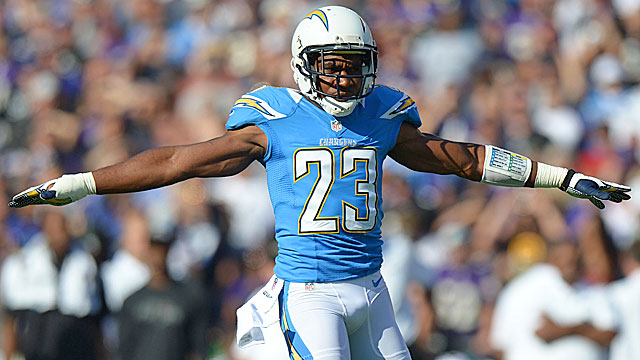
Quentin Jammer Admits He Played Several 2011 NFL Games Drunk — A Stunning Confession, A Cautionary Tale
Meta Description: Former NFL cornerback Quentin Jammer shocked fans by admitting he played at least eight games drunk during the 2011 season, citing personal struggles. Explore what led to the revelation, how it affected his performance, and what it reveals about pressure in pro sports.
A Career-Long Cornerback’s Shocking Revelation
Former NFL cornerback Quentin Jammer, a longtime veteran with the then-San Diego Chargers, recently shocked the sports world by admitting that during the 2011 season, he played in “at least eight games” while “completely s—-faced drunk.” In a now-viral social media thread, Jammer said the drinking stemmed from a painful divorce and emotional turmoil — struggles that followed him onto the field.
At the time, Jammer started 15 games for the Chargers. The admission that roughly half of those games were played while intoxicated has prompted widespread shock and raised serious questions about athlete well-being, mental health, and performance accountability in pro sports.
What Jammer Says, and the Context Behind It
Jammer didn’t hide behind vague language. In his post, he said:
“True story……. In 2011 I played completely s--- faced drunk in at least 8 games.”
He detailed that during that season he was undergoing a difficult divorce, which he described as “something no man should ever have to go through.” The emotional pain, he admitted, led him to drink even on game days, reportedly keeping bottles of tequila or bourbon in his locker.
Jammer said teammates and the organization were aware — though many have reacted with disbelief and concern about how the team functioned under those conditions.
Performance Impacts: Did the Drinking Show on the Field?
Reviewing the 2011 season provides troubling context to Jammer’s revelation:
- That year, Jammer recorded zero interceptions, a sharp decline compared to previous seasons in which he regularly picked off passes.
- His pass-defended total dropped significantly, and his yard/attempt allowed numbers ballooned — indicating quarterbacks often targeted his side and exploited coverage breakdowns.
- The Chargers’ defense overall struggled that season, ranking near the bottom in several metrics. Some analysts now point to Jammer’s admission as a likely contributing factor.
In hindsight, plays that looked like coverage lapses, blown assignments, or missed reads may now carry a much darker explanation.
Mental Health, Pressure, and the Hidden Struggles of Pro Athletes
What stands out most about Jammer’s confession isn’t just the drinking — it’s the human vulnerability behind it.
The divorce and personal pain he went through didn’t stop when he put on shoulder pads. According to Jammer, the emotional burden followed him into the locker room, onto the field, and into game day. His admission sheds light on a serious issue in professional athletics: the toll that mental health and personal crisis can take — even on elite performers.
In a culture of toughness, resilience, and “next man up” mentality, players often feel pressure to compartmentalize pain and perform — sometimes at great personal cost. Jammer’s story is a vivid reminder that behind every “pro athlete” label is a human being with struggles, burdens, and vulnerabilities.
Why This Revelation Matters Now
- Transparency matters: Jammer’s public admission may open doors for other athletes suffering in silence to come forward. Awareness and openness can encourage conversations around mental health support in pro sports.
- Accountability for teams and leagues: Having a player on the field under the influence raises serious ethical and safety questions for teams, unlike typical performance mistakes.
- Fan trust and legacy evaluation: For fans and analysts re-evaluating past seasons, this admission changes how we view performance, stats, and even game outcomes from 2011 onward.
- Support systems and well-being: It spotlights the need for better mental health resources, counseling, and support for athletes dealing with personal crises — especially in high-pressure professional environments.
Final Thoughts
Quentin Jammer’s admission that he played NFL games drunk in 2011 shakes the bedrock of assumptions about professionalism, mental strength, and athletic performance. His honesty is painful — but also brave.
It’s a reminder that behind the pad noise and the helmet facemask are people coping with pressures, pain, and sometimes despair. As fans and as a sports community, this should push us to view athletes not just as entertainers, but as humans — with real struggles, and real needs.
Maybe his confession won’t change the stats on the sheet from 2011. But it can change how we see the game, the players, and the importance of mental health in all sports.