Should You Use Energy Drinks Before or During Workouts? What Science Says
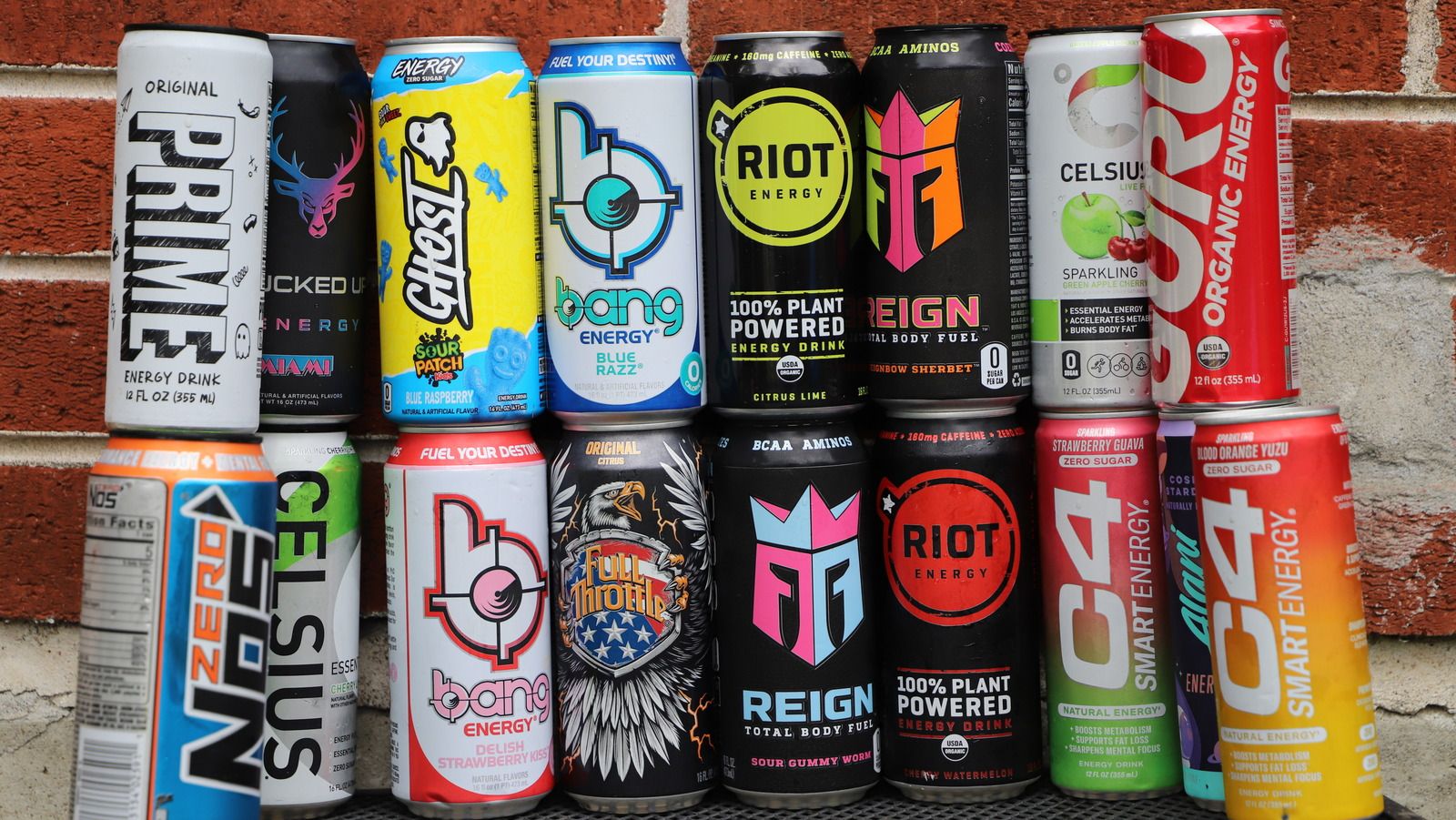
When it comes to fitness, many gym-goers reach for energy drinks hoping for a quick boost of power, focus, or endurance. The truth is more complicated. Energy drinks can offer performance benefits under certain conditions — but they also come with real risks, especially if used before or during exercise without care.
Here’s a balanced look at what energy drinks can do, what problems they might cause, and when it might be better to skip them altogether.
Possible Benefits of Energy Drinks Before a Workout
- The caffeine in energy drinks can enhance alertness, reaction time, and endurance, which may help you power through cardio, lifts, or HIIT sessions. University Hospitals ACSM
- For some, a moderate dose (especially about 30–60 minutes before exercise) can lead to improved focus, perceived effort reduction, and momentary performance boosts. Flavor365
- If you don’t normally drink caffeinated coffee or tea, a carefully timed energy drink may act similarly to a “pre-workout” supplement — but only if used correctly. ACSM
In short: energy drinks might help in small doses — but timing, dose, and overall hydration matter a lot.
Why Energy Drinks Are Risky Before or During Exercise
Energy drinks are not designed to replace water or sports drinks. In fact, using them around workouts can backfire — especially if you ignore hydration or drink multiple servings. Verywell Fit Health Digest
Major risks include:
- Dehydration & electrolyte imbalance — caffeine is a mild diuretic, and many energy drinks don’t replenish salts lost through sweat. Verywell Fit
- Elevated heart rate and blood pressure — the stimulants in energy drinks can stress your cardiovascular system, especially under workout strain. University Hospitals
- Digestive issues & discomfort — carbonation, sugar, and stimulants can cause bloating, nausea, or upset stomach when your body is under physical stress. bombfell.com
- Sleep disruption & nervous system stress — if consumed later in the day, energy drinks can impact recovery, rest, and muscle repair. Healthshots
- False hydration security — sipping an energy drink during a long workout may make you think you’re hydrating, while in reality, you could be exacerbating fluid loss. OAPub
Given these risks, many health and sports-medicine experts warn against using energy drinks as a workout aid. ACSM
Best Practices: If You Do Use Energy Drinks
If you’re going to use an energy drink around workouts, follow these guidelines to reduce risk and maximize any potential benefit:
- Drink it 30–60 minutes before your workout so the caffeine can fully take effect by the time you start. Flavor365
- Limit caffeine intake — avoid stacking energy drinks with coffee or other caffeinated beverages. For many, 100–200 mg of caffeine (about one small energy drink) is a reasonable maximum. Flavor365
- Stay well-hydrated. Pair water or a proper electrolyte drink with or instead of energy drinks — especially if your workout is long, intense, or in hot conditions. Verywell Fit
- Watch for side effects — if you feel jittery, dizzy, nauseated, or experience abnormal heart rate, stop immediately.
- Avoid alcohol or other stimulants alongside energy drinks — mixing them increases risk. University Hospitals
Safer Alternatives to Energy Drinks for Workout Boosts
- Coffee or tea — moderate caffeine from coffee can offer similar energy boosts without the intense sugar or additives found in many energy drinks.
- Balanced pre-workout meal — a mix of carbs, protein, healthy fats and proper hydration 1–2 hours before training helps fuel performance naturally.
- Proper hydration & electrolytes — water, natural mineral water, or sports drinks can maintain fluid balance and support muscle contractions better than energy drinks.
- Quality sleep and nutrition — consistent rest, balanced diet, and good routine often deliver more sustainable energy and recovery than stimulants.
Final Verdict: Use With Caution — If at All
Energy drinks can provide a short-lived energy bump before a workout — but they’re far from ideal. The risks (dehydration, heart stress, digestive issues) often outweigh the potential benefits — especially compared with healthier, more sustainable alternatives.
If you choose to use them, do so sparingly, stay mindful of your overall fluid and caffeine intake, and pair them with hydration, rest, and proper nutrition. For most people, water and good old-fashioned meal-based energy remain the smartest, safest tools for workout performance.